
Why OOH Is the High-Impact Channel B2B Leaders Are Scaling in 2026
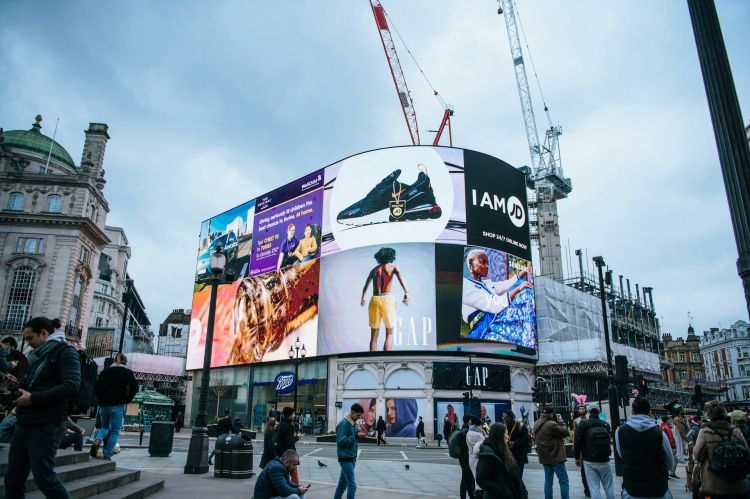
B2B marketers are facing a visibility problem, especially with overcrowded digital channels and rising ad fatigue. This shift is pushing more brands toward out-of-home (OOH) advertising in 2026.
The Best OOH Advertising Formats for B2B Brands
B2B OOH advertising strategies are experiencing notable growth, with a global market size of $23.27 billion as of 2025, which is expected to reach $58.8 billion by 2034. This type of advertising comes in different formats, each offering a different balance of reach, targeting precision, flexibility and business impact.
Vehicle Advertising
Among all OOH formats available to B2B brands, vehicle advertising stands apart as one of the most dynamic options. Wrapping fleets of ride-share vehicles transforms everyday cars into moving billboards that capture attention along specific routes and in areas frequented by B2B audiences.
This format has potential for precise targeting. Teams can concentrate vehicle campaigns in specific ZIP codes or deploy them around trade shows or industry events. The result is a format that feels ambient and subtle but is highly strategic. The company GOOD TRAFFIC shines here as a leader in B2B vehicle advertising, specializing in bespoke, premium OOH campaigns that turn rideshare cars into promotional materials for large-scale brand visibility and blitz campaigns.
Digital Billboards
Digital out-of-home (DOOH) advertising brings programmatic flexibility to the physical world. Where traditional static billboards lock brands into weeks-long commitments, DOOH allows B2B marketers to update creative assets in real time. This means they can adjust messaging based on time of day or local and industry events.
For example, a cybersecurity firm can serve one message during rush hour near a financial district and an entirely different message outside a convention center hosting a tech summit. This contextual flexibility makes DOOH a powerful tool for brands operating in fast-moving industries.
Airport Advertising
Airports are an ideal space for reaching corporate decision-makers. Business travelers pass through terminals and lounges every day, with time to absorb their surroundings.
Airport advertising places B2B brands directly in front of this affluent, hard-to-reach professional segment at a moment when they are attentive and may be in a purchasing mindset. Gate displays and premium lounge placements can offer high dwell time and strong brand association with a traveling professional audience.
Place-Based Networks
Place-based OOH — or advertising in office building elevators, lobbies, coworking spaces or corporate campuses — is another hyper-targeted B2B OOH advertising strategy. These placements reach professionals during the moments when they are already in a work mindset, such as when they’re waiting for an elevator or grabbing coffee before a meeting.
A Comparative Look at B2B OOH Formats
| Format | B2B Targeting Approach | Best For |
| Vehicle advertising | Geo-targeted routes and events | Mass awareness and blitz campaigns |
| Digital billboards | Location-based and time-of-day targeting | Event-driven or contextual messaging |
| Airport advertising | Relaxed environment for affluent business travelers and executives | C-suite and enterprise targeting |
| Place-based networks | Office buildings or coworking spaces | Industry-specific or role-based targeting |
The Core B2B Benefits Driving the OOH Resurgence
A few clear advantages are driving the shift toward renewed investment in OOH among B2B brands.
Audience Targeting Precision
Geographic intelligence and mobility data are allowing brands to position campaigns where target audiences actually move and work. Vehicle advertising, in particular, can use street-level precision, concentrating brand exposure exactly where necessary.
Clear, Measurable ROI
Teams can track today’s OOH campaigns through brand lift studies, website traffic spikes correlated with campaign windows, unique URLs or QR code scans. Technology has matured to the point where B2B marketers can draw a direct line between an OOH ad asset and a subsequent spike in branded search queries or demo requests.
Seamless Integration With Digital Campaigns
Modern OOH functions as a powerful top-of-funnel trigger that amplifies digital performance. A prospect who sees a rideshare campaign or digital billboard is more likely to engage with search ads or LinkedIn content later because the brand already feels familiar.
High-Impact Brand Recall
OOH creates physical-world visibility that commands attention differently from digital advertising. Large-format visuals and immersive placements create stronger memory retention because audiences encounter them in real environments.
This retention also translates into real financial impact. Research shows that OOH campaigns deliver a 20% median lift for in-person outcomes and 14% for digital outcomes.
Frequently Asked Questions
How can OOH effectively reach a niche B2B audience?
Modern OOH campaigns use geographic targeting and contextual placements to concentrate exposure around business districts, conferences, airports, coworking spaces and commuter routes frequented by professional audiences.
Is OOH more or less expensive than digital advertising?
The answer depends on the format and campaign scale. Traditional billboards can require large budgets, but newer formats like rideshare vehicle advertising offer more flexible pricing and are relatively cost-effective in terms of their ROI.
The Next Era of B2B Marketing
OOH advertising has become a serious growth channel for B2B brands that need stronger visibility in crowded markets. Formats like vehicle advertising, DOOH, airport placements and place-based networks give marketers new ways to connect with professional audiences in the real world.