Information Technology

What is Internet of Things (IoT) and its Impact on Industries?

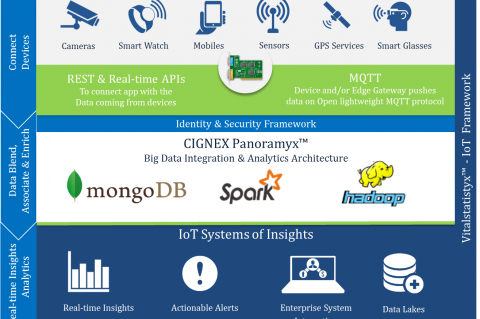
A British entrepreneur, Kevin Ashton coined this term “Internet of Things” in 1999. Also called “Internet of Everything”, it is the way of interaction amongst network of physical objects or things included within software, sensors, electronics, and connectivity. It enables objects to transfer data inside a network, to connect with humans, with computers or with other objects.

The Need for Decentralized Cloud Computing

On an early August morning, users of Amazon Web Services (AWS) woke up to some rather startling and frightening news. Error messages indicated that services were down both for the Simple Storage Service (S3) and Elastic Compute Cloud (EC2) solutions that Amazon provides. This severe outage lasted well into the afternoon and early evening before Amazon finally notified its customers that the problems had been corrected and services restored. While the outage lasted less than a day, it sparked a new discussion about what caused it and, just as important, how to prevent such outages from occurring in the future. For some, the solution to the problem was clear: decentralized cloud computing.

Web Application Security Testing: SAST, DAST or IAST?

Since early 2011 Gartner has been writing about how to combine Static application security testing (SAST) and Dynamic application security testing (DAST) approaches to application security testing and raising many questions about the subject. This post will explain the differences between the two methodologies, the advantages disadvantages of the two approaches and how they can work together from a business perspective and from the perspective of web applications, as these are the weakest in term of security.

Static Application Security Testing (SAST) 

Why More Health Care Organizations Are Turning to SaaS Solutions

There’s no denying it: The cloud has become an integral part of the health care delivery system. According to one recent survey, 83 percent of all health care organizations are using cloud-based services, with the vast majority of those services Software as a Service (SaaS) applications.

This represents a marked increase over the past few years, where health care organizations expressed reluctance to take advantage of the cloud due to concerns about security, regulatory compliance issues, and questions about functionality during implementation. In fact, the same survey found that only 6 percent of health care organizations have no plans to leverage the cloud in any way.

The Promising Future of the Internet of Things in India

The Internet of Things (IoT) is lauded by most as the next great revolution in technology. A world where every object we use has a sensor, enabling it to connect to the internet so it can communicate with each other and the user is a world that seems like something out of science-fiction. With the Internet of Things fast approaching, that world could become a reality very soon. Experts estimate that the IoT market could be worth as much as $1.7 trillion by 2020, with more than 50 billion devices connecting to the IoT by that time. But where will much of that growth come from? The U.S.

Smart Wearables and Cloud Security: The Rise of Mobile Malware

When you look at the greatest technological advances of the past several decades, it's clear that software has taken the lead. While hardware continues to improve, get smaller and do more with less, it's software that has enabled feature-rich operating systems that can exist on an interface barely larger than your hand. Hardware has maintained a more or less consistent form. It's no wonder then that many corporations are still painfully in the dark ages when it comes to the increase in the BYOD ecosystem. As the new Apple Watch and other smart watches begin to hit the scene, it's going to become increasingly difficult for network engineers to keep company networks secure.

The How to Establish a BYOD Policy Infographic

It sound simple, give your employees the opportunity to bring their own devices to work. The company can perhaps be less aggressive in their cyclical replacements of hardware and your employee is happy because they don't have to lug around two devices, theirs and yours. I absolutely like the concept of Bring Your Own Device. But implementing BYOD and benefiting from BYOD isn't so easy. As an IT manager, it scares me that the employee's device may have control over the company's software and device. As an employee, it scares me even more that company's software could control my device and have access to my personal data. At the end of the day, this only goes well if you have established a good BYOD policy for your business.

Altocloud Receives $2 Million Funding and Launches Predictive Communications Platform for Online Sales

The year is still young, but it is already a busy one for software startup, Altocloud. The Mountain View, California company just announced $2 million seed funding and the commercial availability of its predictive communications platform for customer sales and engagement. The funding, led by Delta Partners, Digicel Group and ACT Venture Capital, brings Altocloud’s total funding to $3 million. Altocloud's new platform intelligently identifies the optimal online visitors and delivers tailored chat, voice, video and content so customers get the information and help they need at exactly the right moment.  

Dealing with BYOD After the Holidays

The workplace can be hectic during the month of January, especially given the fact that employees arrive back at work with their fancy new devices. New laptops, mobile devices, and smartphones are among common gifts given and received over the holidays. For companies that use a “Bring Your Own Device” system, this surge in technology changes can present some difficult challenges.