Verification

What Is Facial Verification? A Complete Guide to Secure Online Identity Verification

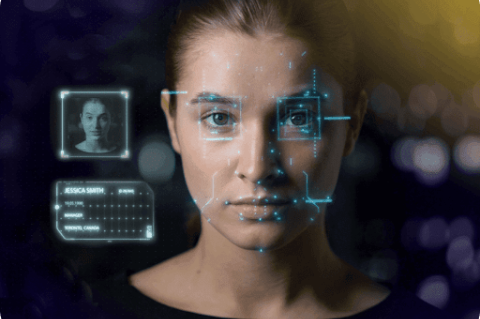
With companies shifting their services to the internet, the importance of customer authentication has become a highly serious issue. Banking, fintech, cryptocurrency, e-commerce, and healthcare are some of the industries where the digital identity verification system has become more and more popular, as they are seeking to conduct their operations without fraud and regulatory violations. Facial verification is one of the best technologies that facilitates this change.


What Is KYC Verification?

Introduction

Identity theft, fraud and money laundering are increasing risks to businesses and other financial institutions in the modern digital economy where they change rapidly. In order to protect themselves and adhere to the regulations, companies employ the practice of checking a customer, commonly referred to as KYC verification, or Know Your Customer. KYC verification is an indispensable part of the global financial ecosystem, which is aimed at determining the identity of the customer and providing access to financial products or services.

How Blockchain and AI Are Shaping Know Your Customer

Picture this: you want to open a bank account, or use a crypto exchange, or start trading stocks. You’re asked to verify your identity, submit documents, wait days. Frustrating, right? That old way of kyc verification is changing fast. Thanks to advances in artificial intelligence and blockchain (plus a dose of big data), identity checks are getting safer, faster, and more respectful of privacy.

In this article we’ll explore how blockchain and AI are working together to reshape KYC, share real data and case studies, and see what it might mean for you or your business.

Ultimate Beneficial Owner ID for Fraud Prevention & Compliance

With the increasingly regulatory financial environment, it is essential to know and clarify Ultimate Beneficial Owner (UBO) of a business to observe and ensure compliance and minimize risks of fraud. With the growing sophistication of financial crimes, regulators around the world have given a significant focus on UBO compliance as one of the components of anti-money laundering (AML) frameworks. UBO identification is not a mere regulatory requirement, but also an effective risk management tool that helps companies to establish transparent business relations and protect themselves against illegal operations.

Why Real-Time Identity Verification Is the Key to Preventing Fraud in FinTech Startups

The past decade has witnessed an unprecedented growth in the FinTech sector due to the role of innovation, the need to be convenient, and the digital economy first. Digital wallets and peer-to-peer lending platforms, online trading applications and buy-now-pay-later services are all examples of startups in this category that are changing how people and money interact.

The Social Media Checkmarks and Verification Mess

While all eyes are on how Elon Musk is handling the blue checkmark over at Twitter and debating the checkmark's value and devaluing, I submit the checkmark isn't just a Twitter problem but also a social media problem no matter what platform you're using. Over the past couple weeks, I've come to the conclusion that it is a huge mistake to confuse verification with designating someone as notable or not. The use of verification for only notable users, which in turns designates the remaining users as non-notable, is divisive and never should have happened. While I reluctantly have sided with Mr.